campaign design
MAUKISS
BLOOM
Campaign
bloom ss25
brand
industry
fashion & lifestyle
what we built
Campaign design, Photography, Motion, sound design, creative & Art co-direction, Typography & graphics
Directed in collaboration with Maukiss founder & creative director Guste Tautkeviciute

the context
Fashion was exploring fantasy worlds. Few small brands had tried.
Major brands were experimenting with AI, augmented reality and fictional worlds around their collections. In Lithuanian independent fashion, this was still rare. Maukiss had a new collection ready — elegant satin two-piece sets in three colorways — and wanted to launch it as more than a drop.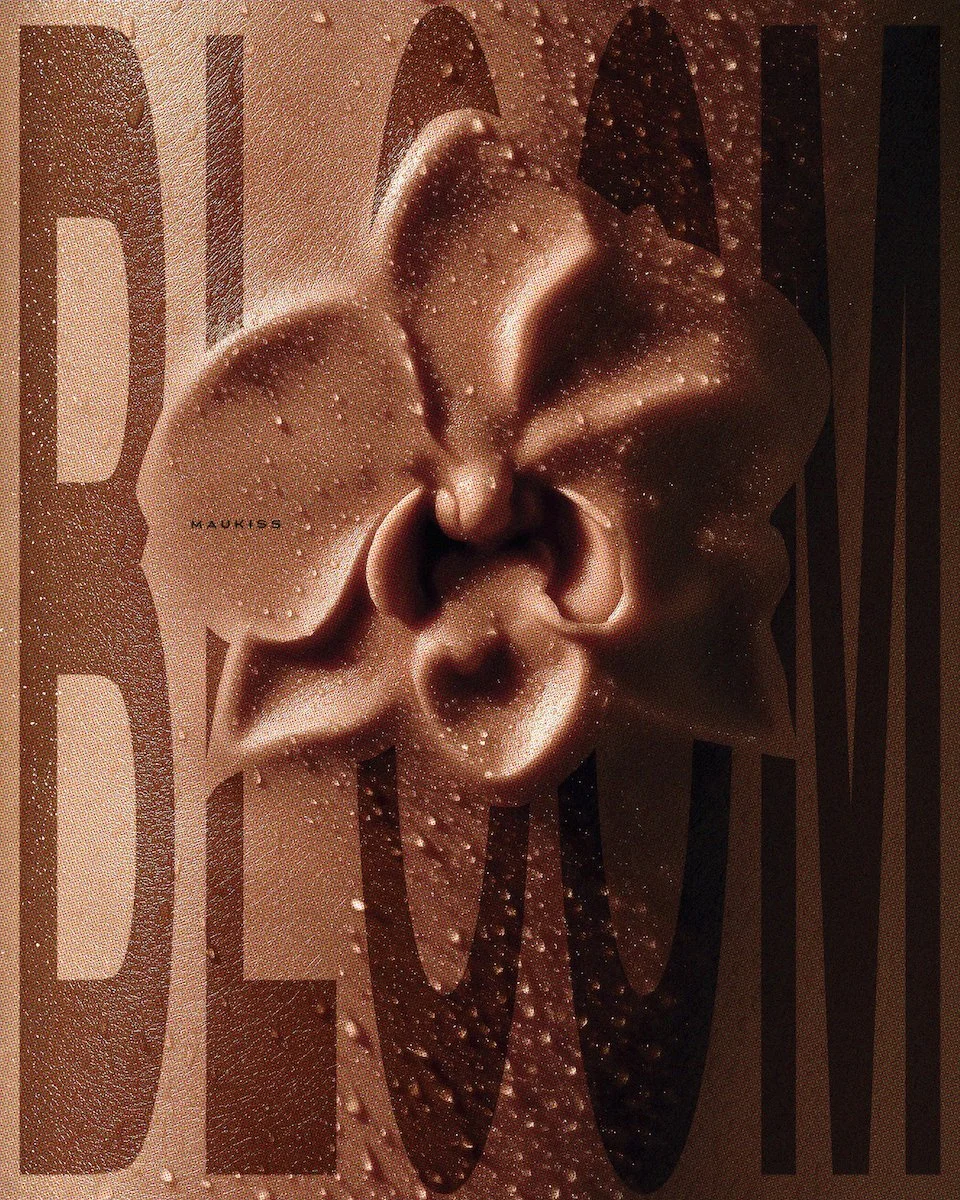
the concept
Softness shows best against something hard.
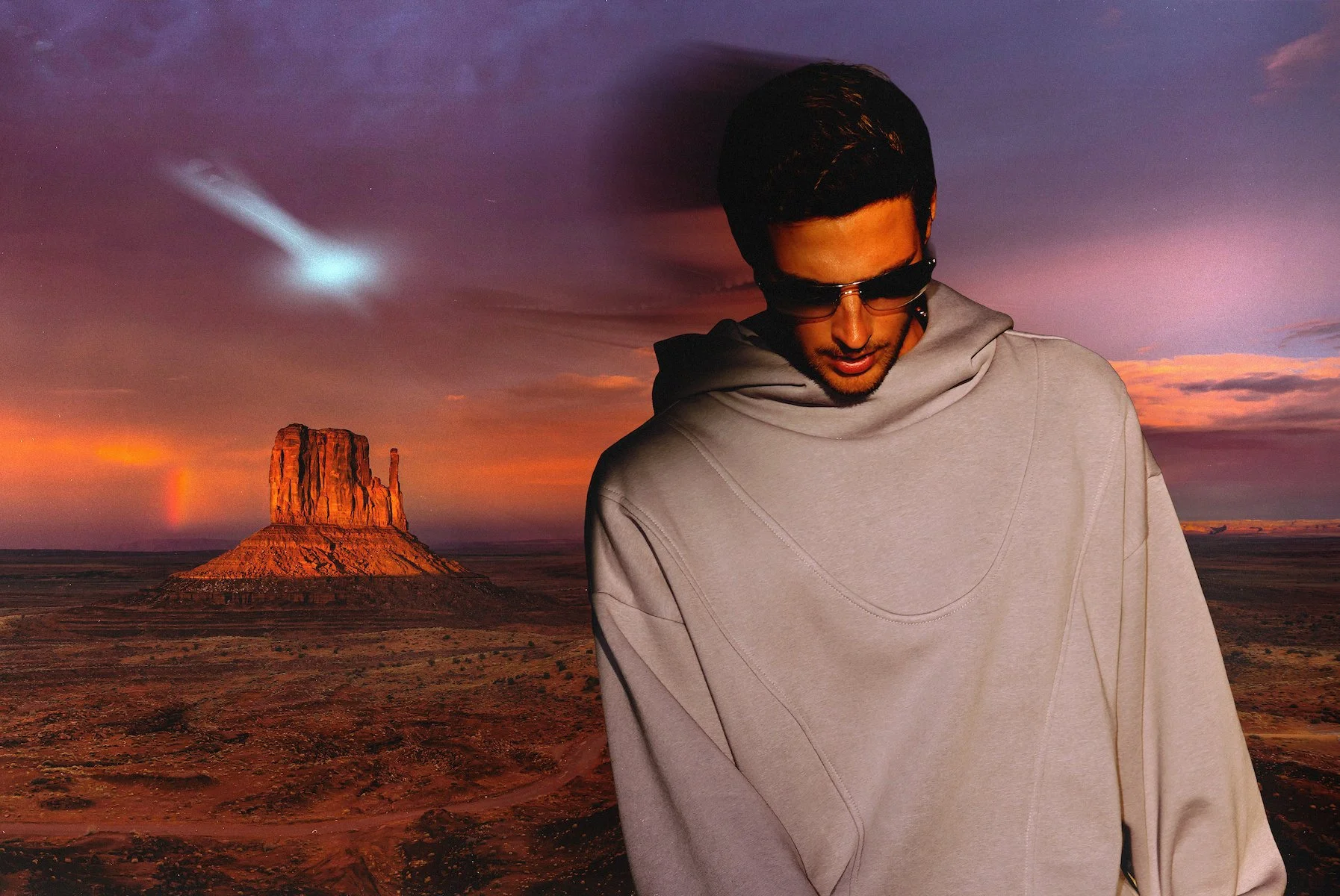
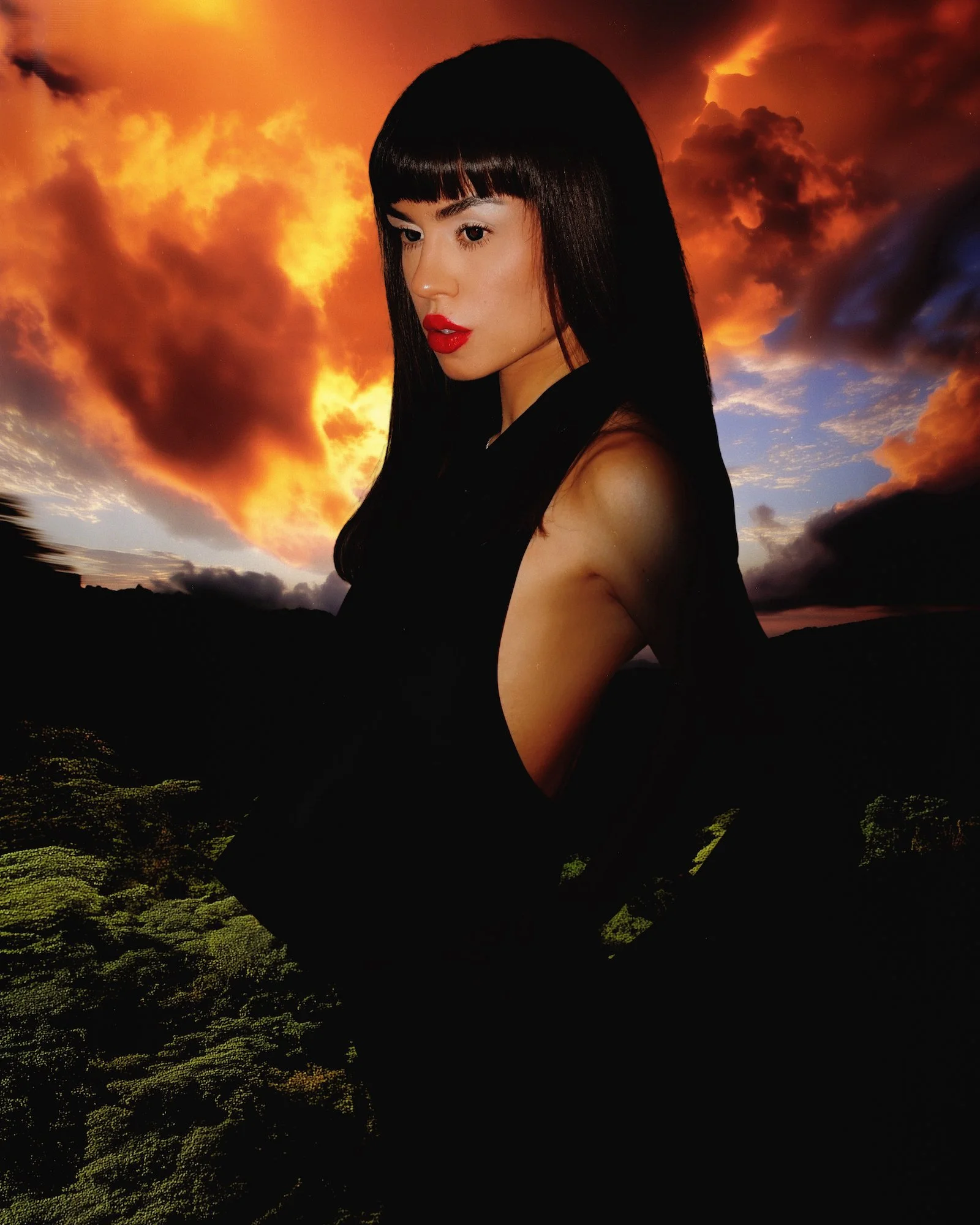
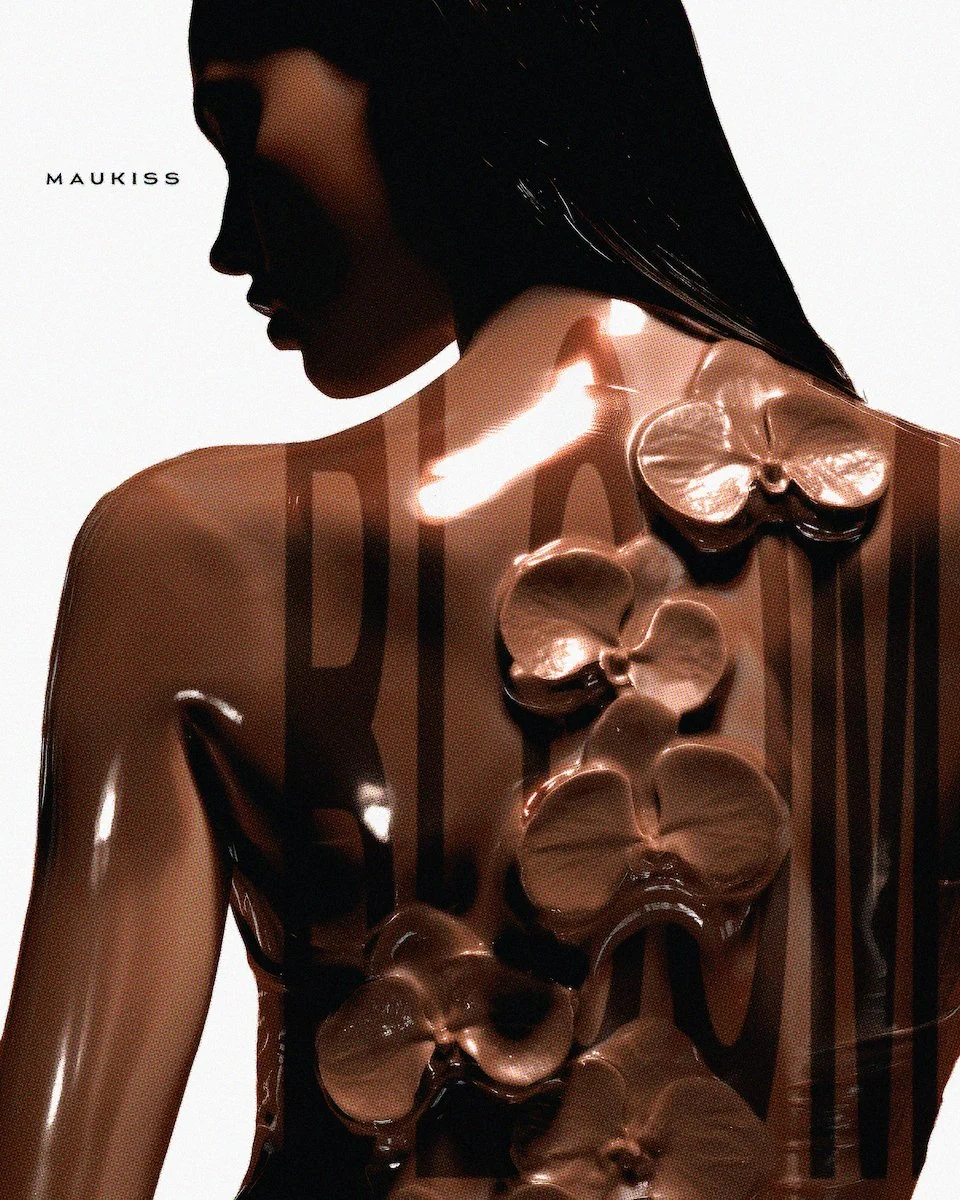
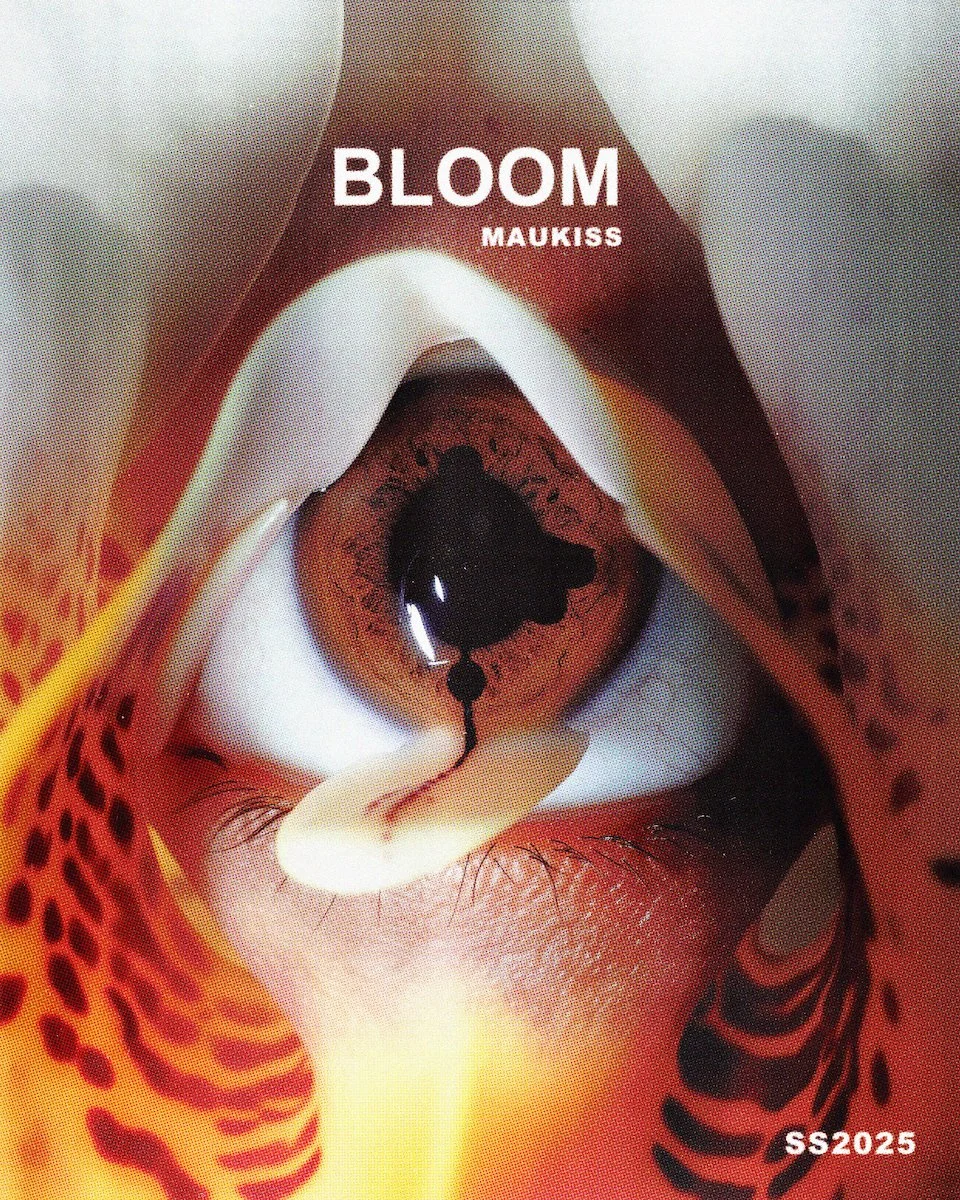
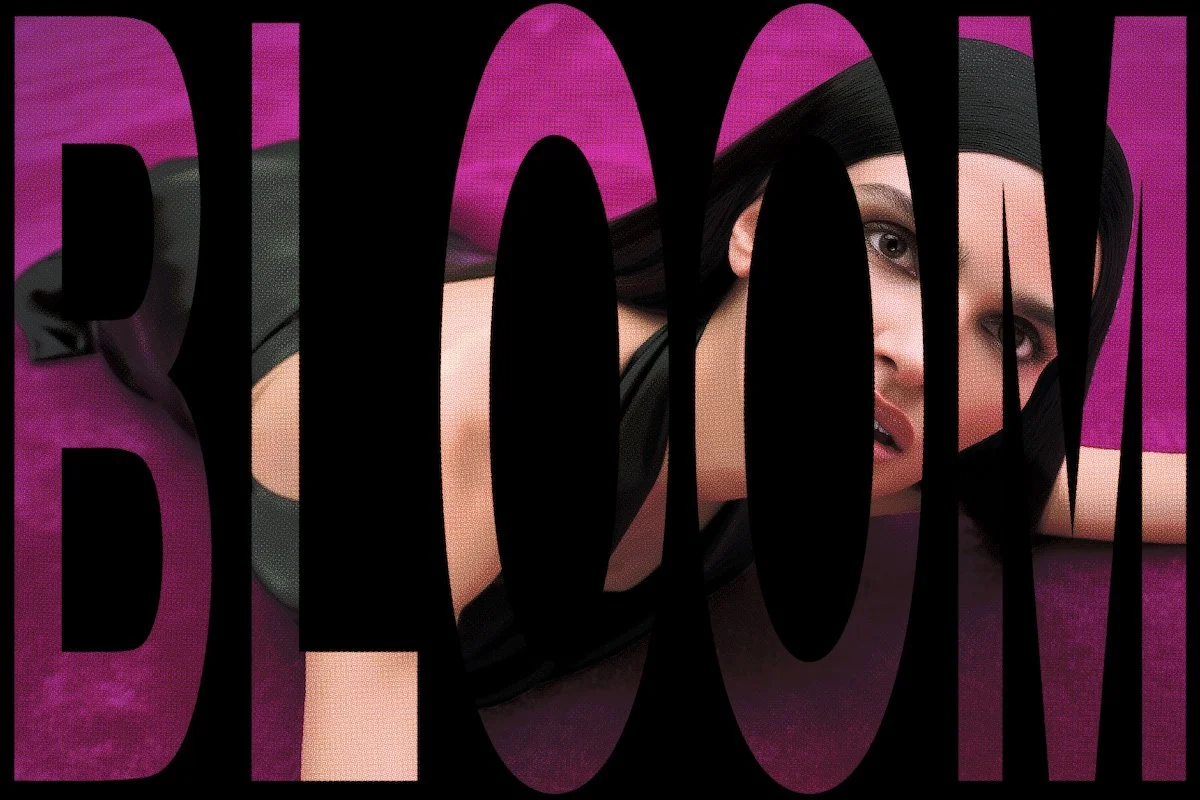
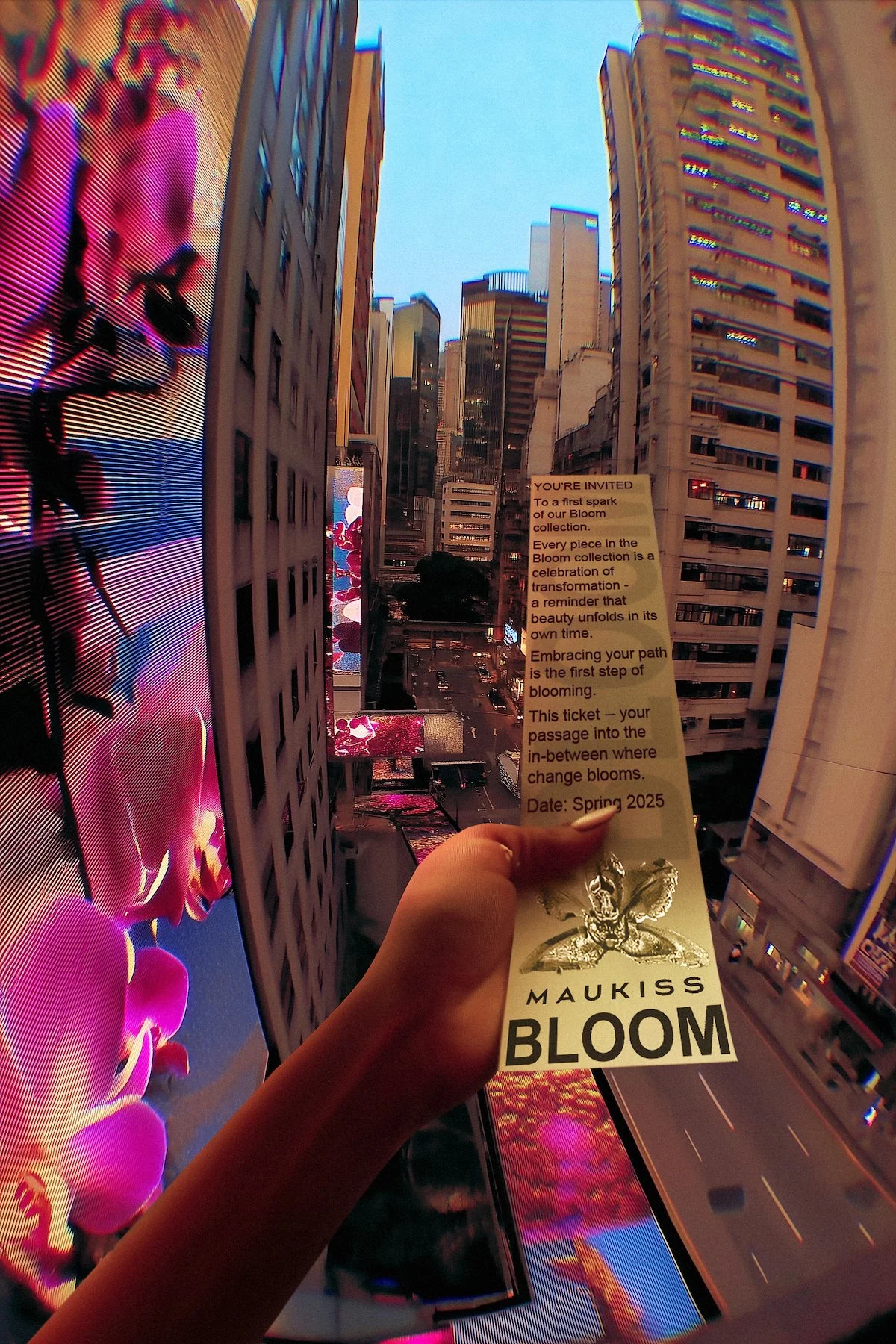
Bloom is about transformation: softness that comes out of something harsh. The clothes carry the soft side — elegant satin sets, like the flower. The world around them carries the dark side — metal, coldness, augmented layers — so the contrast makes the softness impossible to miss.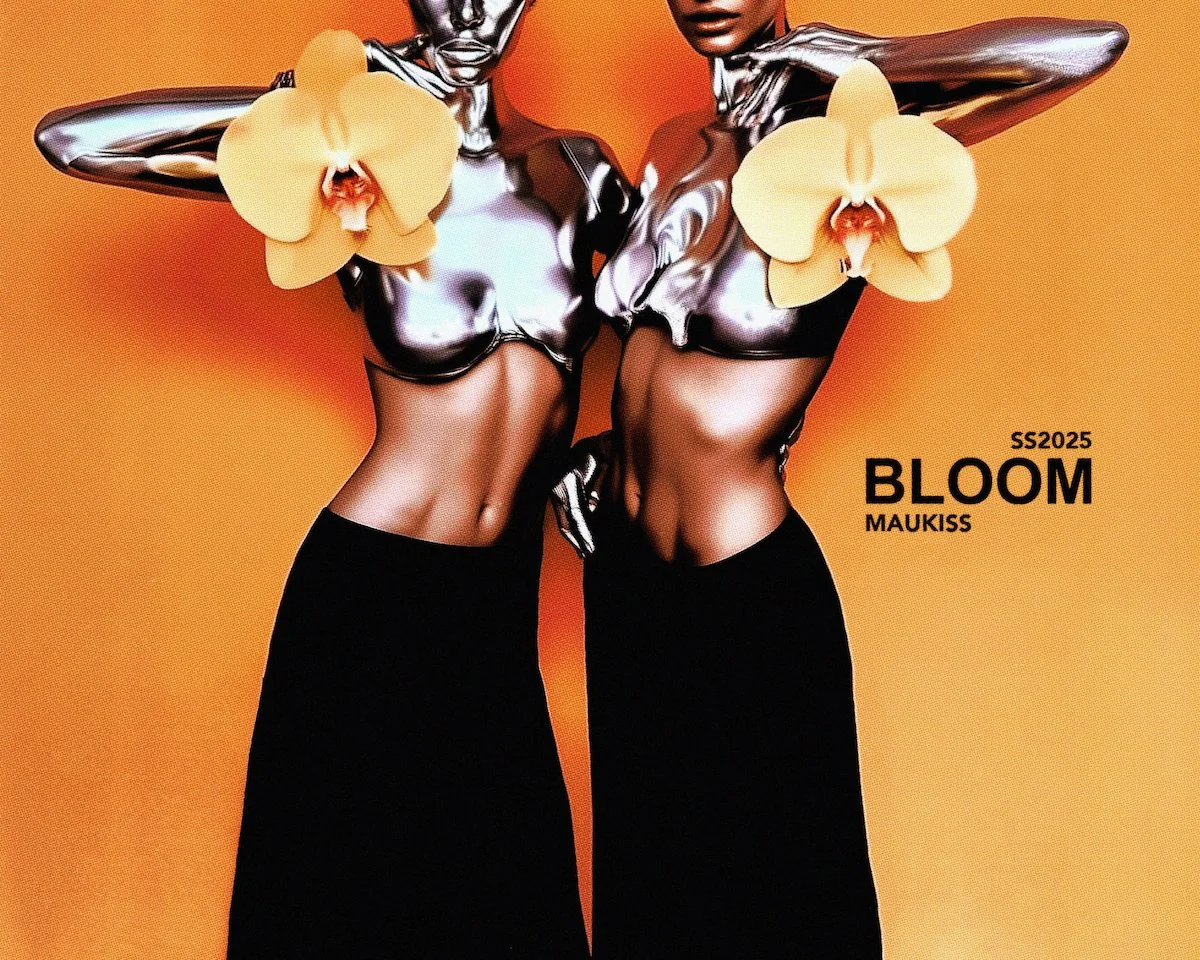
the tools
Showing BLOOM as a strange, sensual transformation
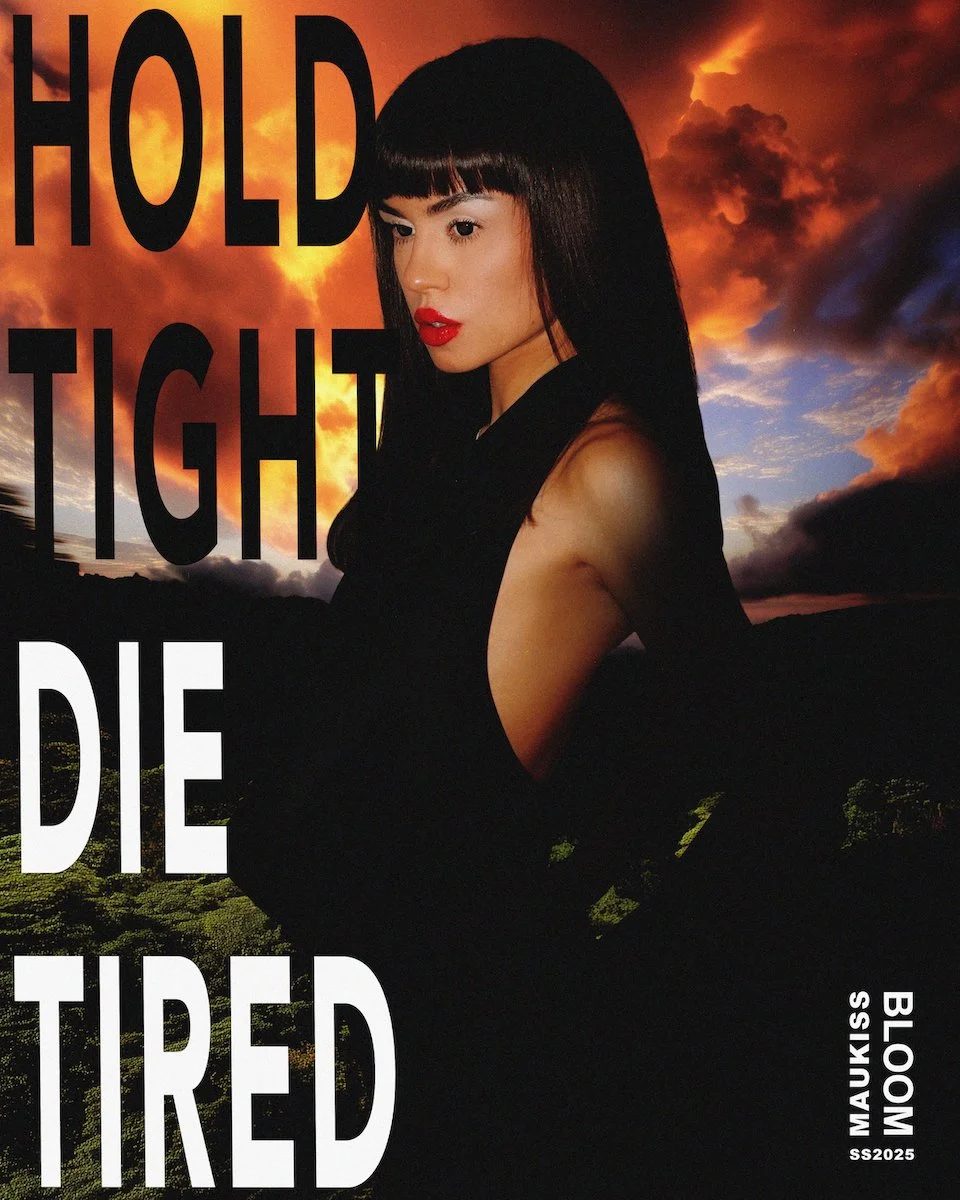
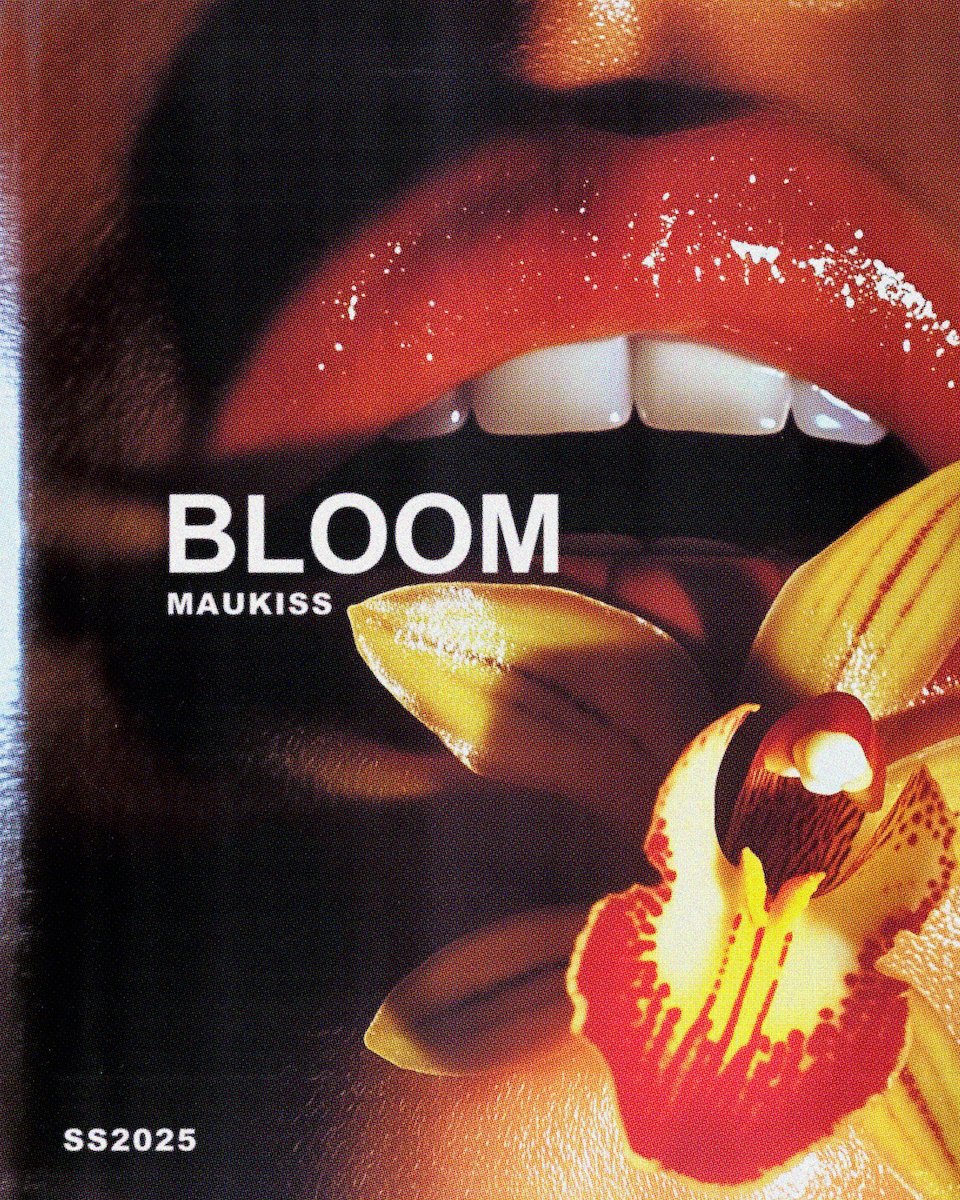
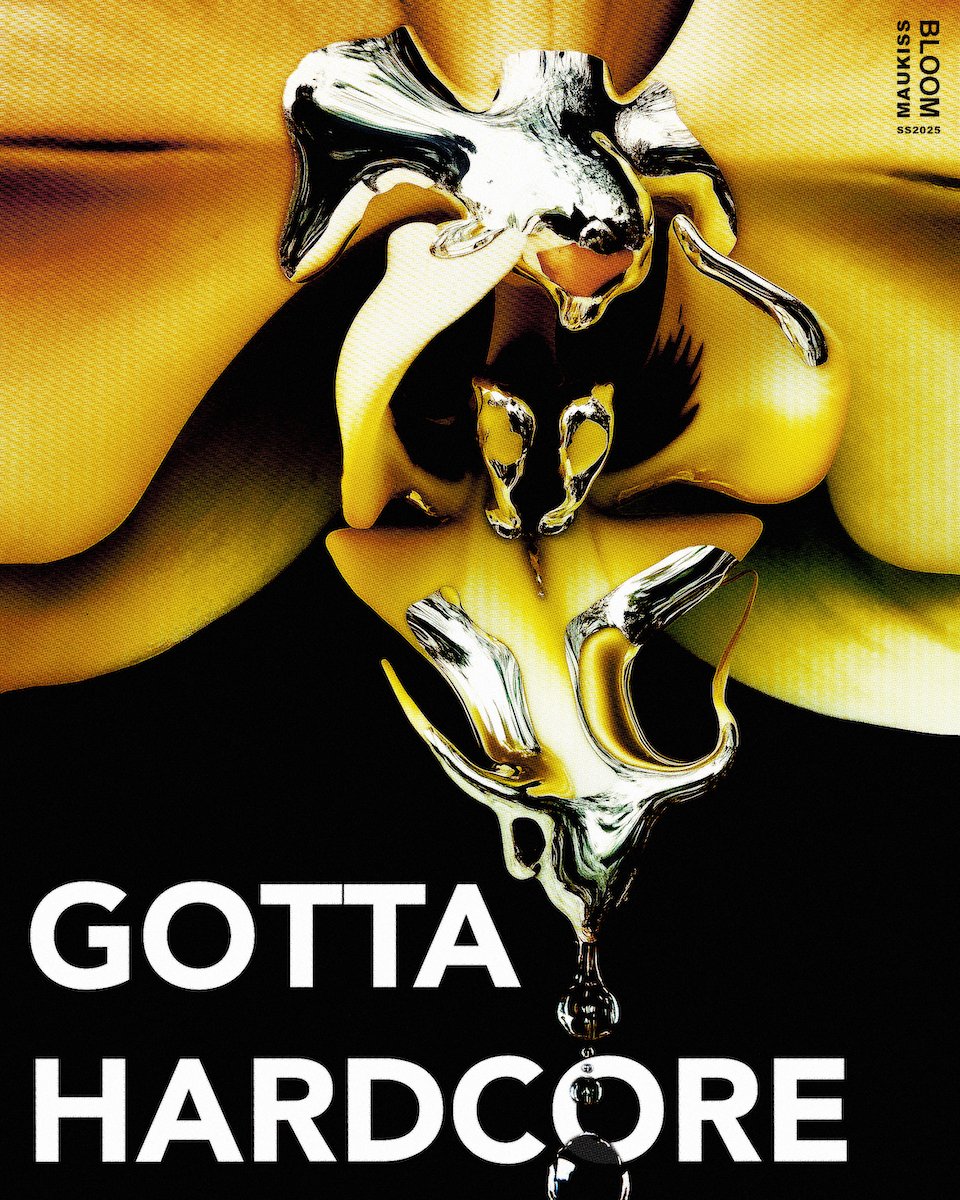
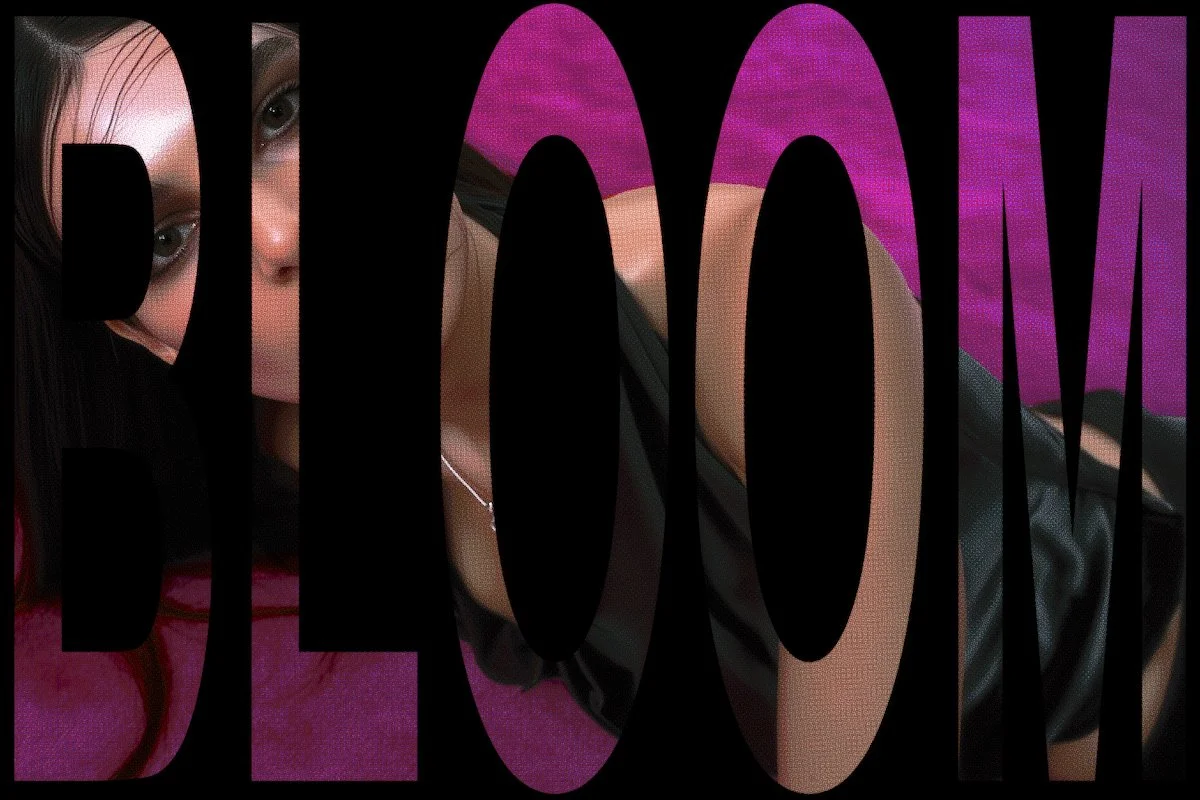
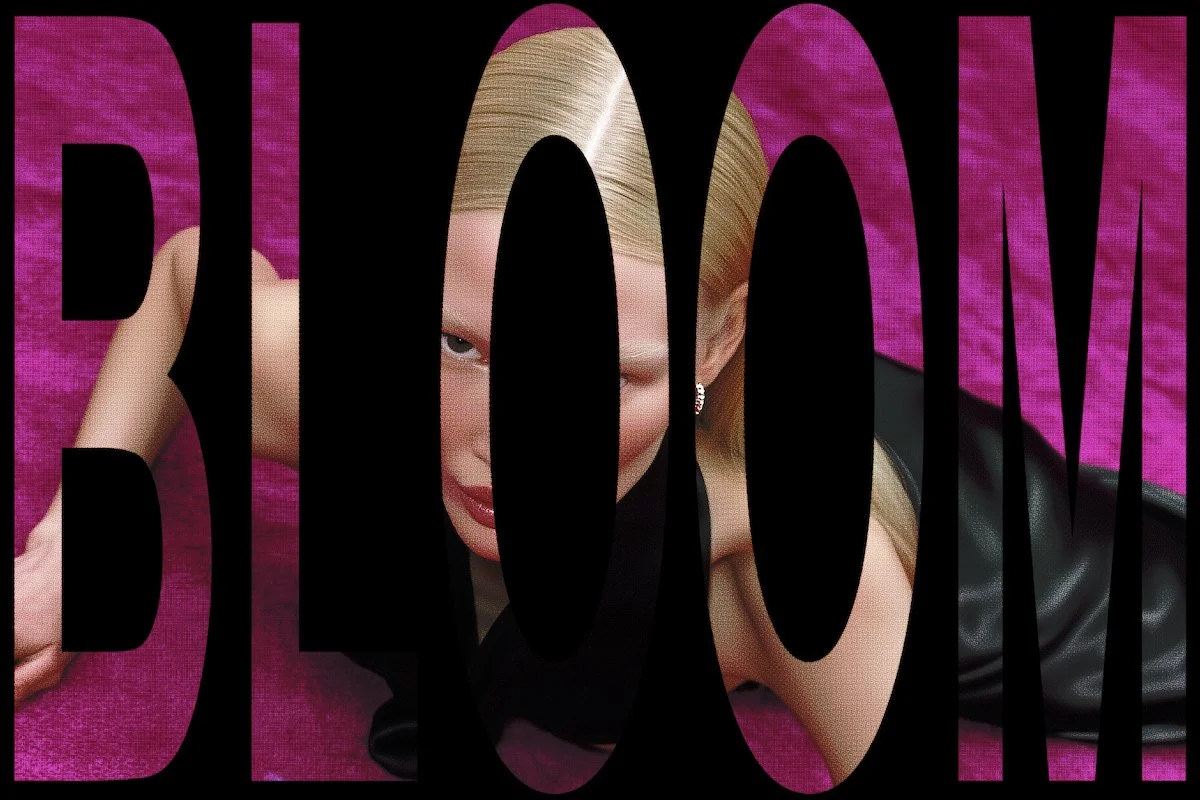
Flowers, skin, chrome, distortion and experimental photography become tools for expressing the central campaign idea in different ways. The flower moves from the eye to the body, from something organic to something artificial. The contrast between orchids, human skin, distorted photography and chrome creates one surreal world where blooming is not simply about beauty, but about evolving into something new.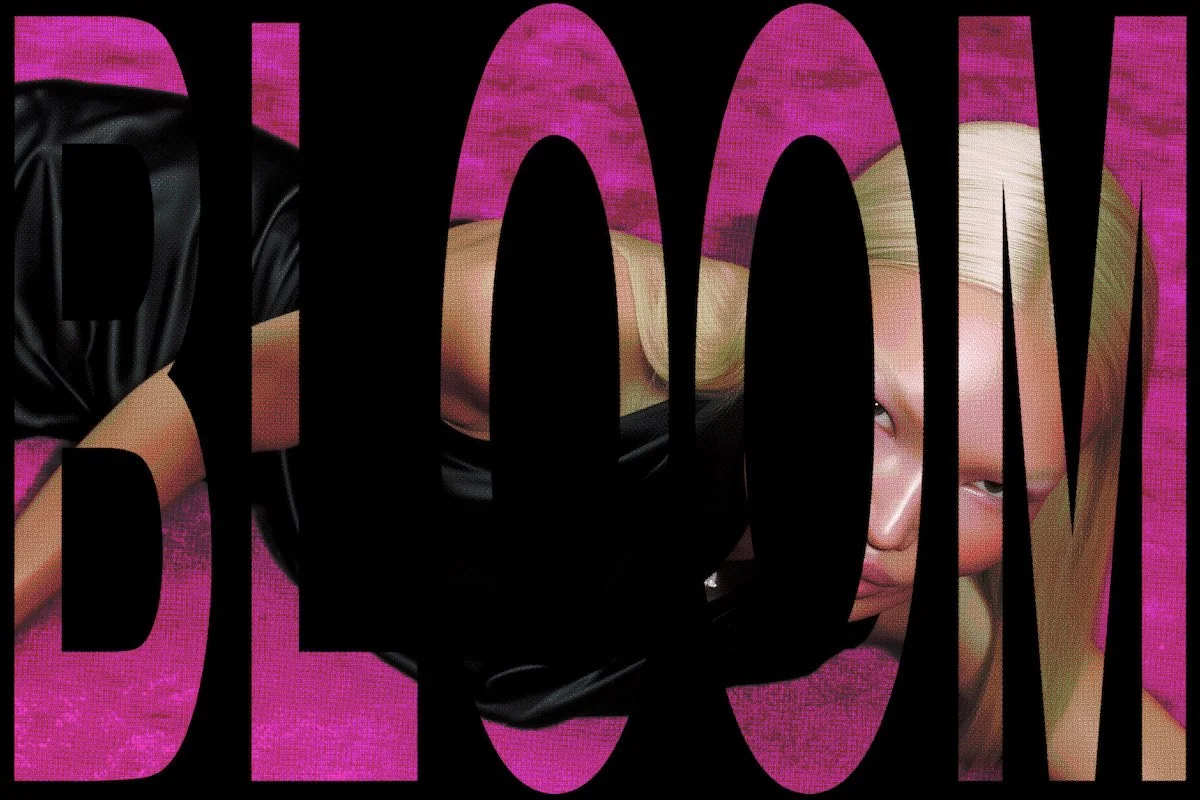
the result
A complete point of view from the founder’s vision
BLOOM became one of the early examples of a Lithuanian brand launching a collection as a world. The campaign brought Maukiss closer to the founder's vision: elegance presented with contrast and character. And it gave the collection something most drops don't have: a look people could recognize without seeing the logo; the collection had its own visual universe. Across photography, motion and graphics, the same tension between softness and hardness became a recognisable campaign language — allowing Maukiss to present the collection not simply as new pieces, but as a complete point of view.case studies
Explore other brand worlds we’ve built
-
![Two images with a martial arts figure. The top image shows an orange silhouette of a martial artist practicing on a beach with the ocean in the background. The bottom image features a black silhouette of a martial artist against an orange background.]()
Up the Grade | Rebrand & World Building
-
![A woman with blonde hair, red lipstick, wearing a blue turtleneck and a statement necklace, standing in front of a beach scene with waves crashing and a rocky coastline during sunset or sunrise.]()
Archive: Room404 collection by Maukiss | Campaign Design
-
![A woman with long hair sitting on a bed at night, illuminated by blue light, with her face partially covered by her hair.]()
Archive: Naivete Fixation | Campaign Design
-
![Close-up of lips with glossy red lipstick, a tongue with lipstick on it, and a large white stylized 'C' and star over the face, in an open book with a glossy photo.]()
Coming Soon: Vakare.Makeup
-
![A young man wearing sunglasses and a gray hoodie looking down against a desert landscape at sunset with a large rock formation and dramatic sky in the background.]()
Coming Soon: Places Unknown | Supernova by Maukiss